
Introductions: Interior design is exciting, but many homeowners face unexpected expenses once the project begins. These hidden costs appear because every space is different, site conditions vary, and many issues become visible only during actual work. Understanding these hidden costs helps you plan better, avoid stress, and maintain a realistic interior design budget. This guide explains the 6 most common hidden costs in interior design projects, helping you make smarter decisions and prepare for a smooth, hassle-free experience. With TECOL’s expert tips, you can handle your home or office interior project with confidence and clarity.
1. Site Preparation & Dismantling Work

Many people forget that the interior design process starts long before new furniture or decoration is installed. Site preparation includes cleaning, repairing, and removing old items. Dismantling cabinets, false ceilings, shelves, or damaged flooring requires extra labor. Wall leveling, damp treatment, plaster repair, and floor fixing also add to the total cost. These expenses do not always appear in the first quotation, which is why they become hidden costs.
TECOL Tip: TECOL recommends inspecting the site properly before starting the interior design project. Taking photos, checking wall conditions, and listing old items that need to be removed helps estimate the real interior design budget more accurately.
2. Electrical & Plumbing Changes
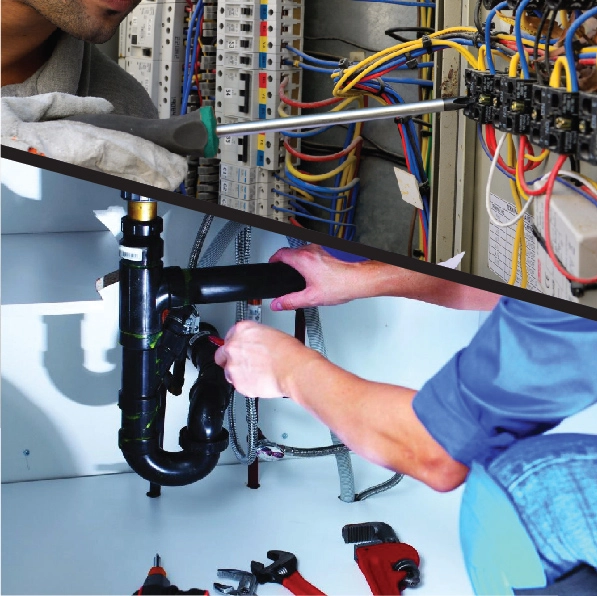
Electrical and plumbing adjustments are some of the most common hidden costs in interior design projects. When you upgrade to a modern home interior, you often need to shift electrical points or add new ones for extra lights, bedside switches, plug points, chargers, smart devices, vanity mirrors, or LED strip lighting. Installing wardrobes, TV units, study tables, wall panels, or false ceilings usually requires updating the wiring system so everything fits neatly and safely behind the furniture. This means purchasing new cables, conduit pipes, junction boxes, MCBs, and sometimes rewiring the entire circuit for safety and load management.
Plumbing changes also add to the cost, especially when you move a basin, toilet line, kitchen sink, or add a new water outlet. Even small tasks—like shifting a tap position or fixing old pipelines—require professional labor, materials, and extra time. Since these updates are discovered only after the site is opened, many homeowners face unexpected expenses they didn’t plan for. Proper electrical and plumbing planning is essential for a safe, functional, and future-friendly interior design.
TECOL Tip: TECOL recommends preparing a complete electrical and plumbing layout before starting carpentry or false ceiling work. This avoids last-minute changes, prevents rework, saves time, and ensures the entire interior design project runs smoothly and stays within budget.
3. Extra Materials Needed for Actual Site Measurements

Many homeowners assume that once a design is finalized, the material quantity will stay the same — but in reality, the site often tells a different story. Even if a design is perfect on paper, actual site conditions can require additional materials that were not included in the initial estimate. Walls may be slightly uneven, corners may not be perfectly aligned, floors may slope, or ceiling levels may vary. These differences mean carpenters and installers often need extra plywood, laminate, boards, tiles, paint, putty, screws, adhesive, or polish to achieve a smooth, professional finish. During installation, workers also need a margin for cutting, shaping, and wastage, especially for materials like laminate, veneer, tiles, and boards. A normal 5–10% wastage is very common, but many clients don’t expect it, which turns into an unplanned hidden cost. In some cases, custom designs with curves, grooves, or wall paneling require even more material because precision cutting creates extra waste. These small additions get added gradually during the project and can increase overall interior design cost if not planned properly from the start.
TECOL Tip: TECOL recommends taking fresh, detailed site measurements before purchasing any material. This ensures accurate planning, reduces wastage, maintains quality, and helps you control your interior design budget more effectively.
4. Labor Charges for Custom or Complex Work

Labor cost is one of the biggest hidden expenses in interior design projects, especially when the design includes custom or detailed work. Modern interiors often feature stylish elements such as decorative wall panels, modular furniture, hidden LED lighting channels, soft-close drawers, premium hardware, textured laminates, and unique design patterns. While these features make your home look modern and elegant, they also require skilled and experienced labor to achieve a high-quality finish.
Custom carpentry demands precision cutting, shaping, edge finishing, and perfectly aligned joints, which naturally increases labor hours. Similarly, advanced interior elements like curved false ceilings, wooden battens, CNC designs, fluted panels, veneer polishing, PU and Duco painting, or luxury wardrobe mechanisms require more time, special tools, and professional craftsmanship. Because every detail must be accurate, the labor team often spends extra days ensuring the finish is smooth and premium.
Since these tasks involve higher skill, more effort, and extra time, they significantly increase the overall labor cost. Many clients expect a simple pricing structure, but when the design becomes complex, labor charges automatically rise — making this one of the most common and easily overlooked hidden costs in interior design.
TECOL Tip: TECOL suggests discussing your preferred finishing level — basic, standard, premium, or luxury — before work begins. When the finishing category is clear from the start, the designer can provide a realistic estimate for labor charges, preventing confusion and helping your project stay within budget.
5. Hardware, Fittings & Accessories

Interior furniture is not complete without hardware. Hinges, channels, knobs, brackets, handles, screws, kitchen fittings, wardrobe accessories, and LED profiles all add extra cost. Premium items like soft-close hinges, telescopic channels, hydraulic lifts, and branded handles increase the budget quickly. Since these items are small but essential, they often become hidden extra costs in modern interior design.
TECOL Tip: TECOL advises clients to choose hardware based on durability, not just price. Good hardware improves the life of your furniture and reduces repair or replacement cost later.
6. Additional Finishing Materials
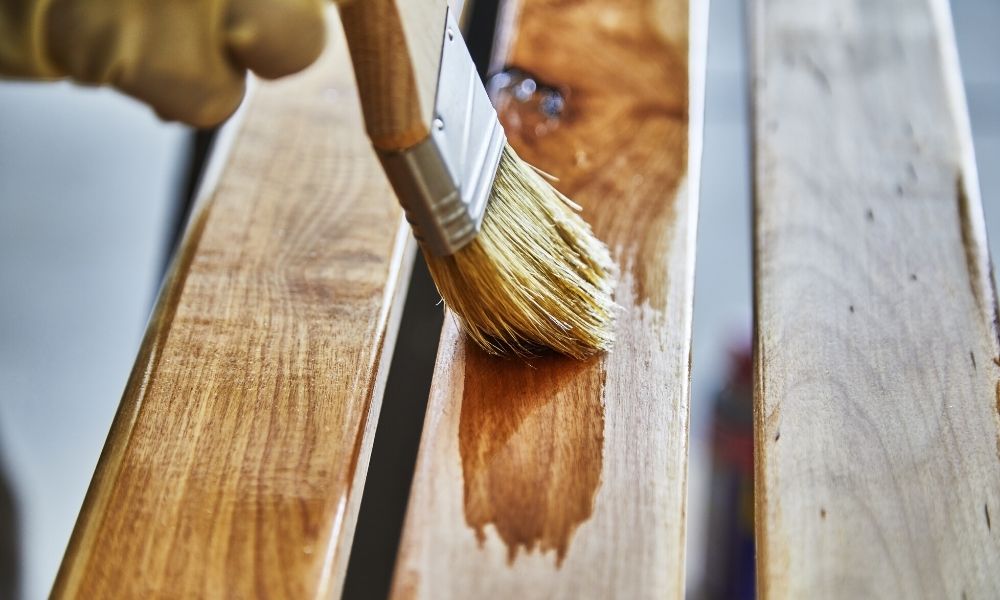
Finishing materials may seem small individually, but they play a huge role in achieving a smooth, clean, and professional interior look. During execution, carpenters, painters, and installers need many additional items such as primer, putty, adhesive, laminate glue, polish materials, screws, nails, masking tape, corner beads, wall filler, sealant, sanding paper, foam, and cleaning supplies. These materials are used throughout the project for tasks like surface preparation, sealing gaps, leveling walls, smoothing edges, fixing joints, and giving the final touch to furniture and walls.
Most of these items are not highlighted clearly in quotations because their exact quantity depends on real site conditions. For example, uneven walls need extra putty, textured surfaces require more primer, and laminated furniture may need additional adhesive and edge-fixing materials. Carpenters often use many small accessories—like brackets, hinges screws, leveling pads, or clips—to ensure stability and perfect alignment. Painters need extra sanding paper, brushes, rollers, and sealant to deliver a premium finish. Although each item costs little, they add up gradually and can significantly increase the overall interior finishing cost.
These materials are essential for achieving durable, high-quality results, but because they are consumable items, many clients don’t anticipate them, making them one of the most common hidden charges in interior design projects.
TECOL Tip: TECOL recommends asking for a detailed BOQ (Bill of Quantities) that includes finishing materials. A clear list helps you understand the full home interior cost without confusion.
Final Thought
Hidden costs in interior design projects are very common, especially when working on modern home interiors, office renovations, or custom furniture designs. Most unexpected expenses come from site preparation, electrical changes, extra materials, skilled labor, hardware, and finishing items. When you understand these hidden costs in advance, you can plan a realistic interior design budget and avoid stress during the project. With proper guidance, clear communication, and professional support from TECOL, your interior design journey becomes smooth, budget-friendly, and beautifully executed.






Customer Reviews
[…] 2. What factors affect the total interior design cost? […]
Extra Materials Needed for Actual Site Measurements