How do I determine the correct lighting wattage based on room size?
Introduction: Proper lighting is essential for creating a comfortable, functional, and visually balanced space. Whether you are planning a bedroom, living room, kitchen, or office, choosing the right wattage guarantees enough brightness for the room’s activities while avoiding unnecessary electricity use. In Bangladesh, designers commonly use simple, reliable formulas that account for room area, ceiling […]
Introduction: Proper lighting is essential for creating a comfortable, functional, and visually balanced space. Whether you are planning a bedroom, living room, kitchen, or office, choosing the right wattage guarantees enough brightness for the room’s activities while avoiding unnecessary electricity use. In Bangladesh, designers commonly use simple, reliable formulas that account for room area, ceiling height, and the intended purpose of the space—this practical approach makes it easy to plan lighting that looks great and saves energy.
1. Measure the Room Size Correctly
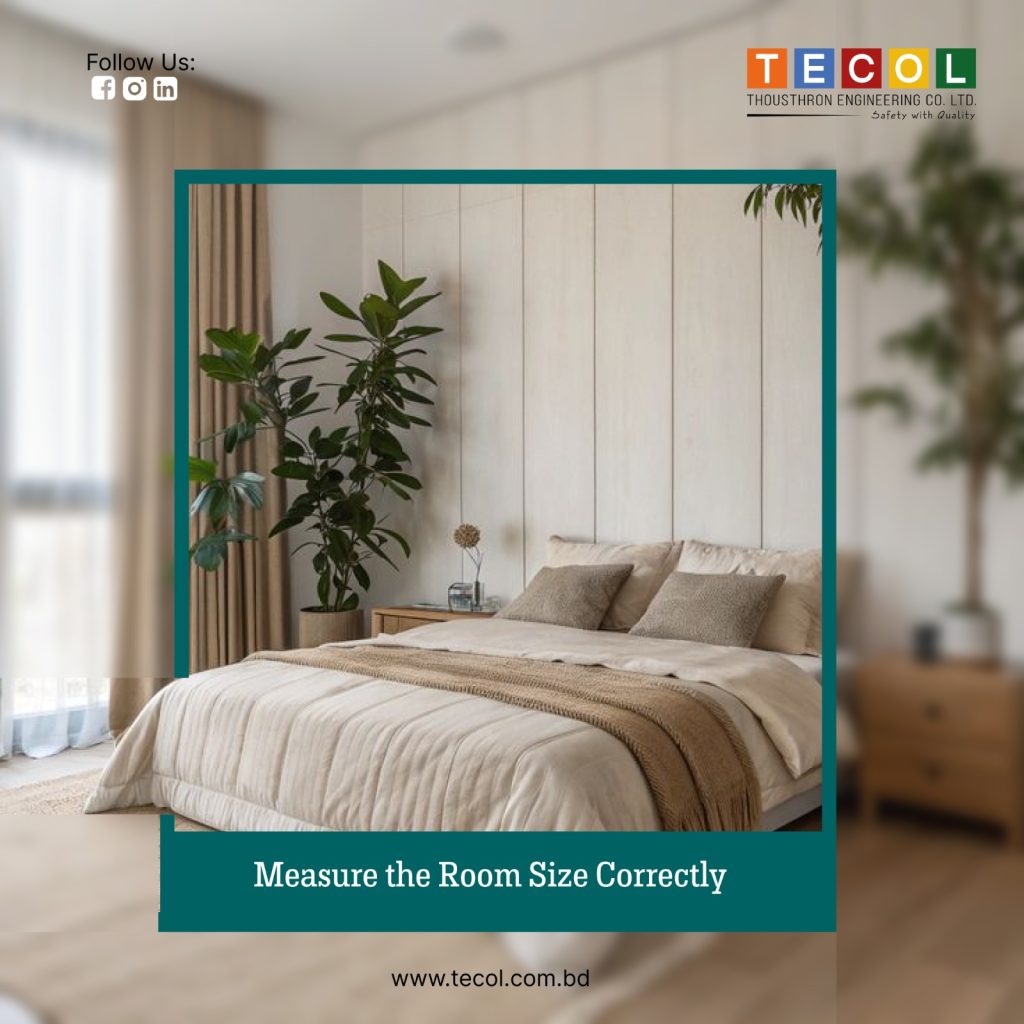
Before you begin calculating the lighting wattage, the most important step is determining the exact size of the room. Start by measuring the length and width of the space in feet; then multiply these values to get the total square footage (sq ft). For example, if a room is 12 feet long and 14 feet wide, the total area becomes 168 sq ft. This number is not just a measurement—it forms the foundation of your entire lighting plan. When the room size is accurate, you can correctly estimate how many lumens the room requires, which then helps you determine the ideal wattage. Without this step, every other calculation becomes uncertain, often leading to either dim lighting that makes the room feel dull or excessive lighting that causes glare and wastes electricity. Proper measurement ensures you choose the right number of lights, maintain visual comfort, and stay within budget by avoiding unnecessary fixtures or adjustments later.
2. Understand the Difference Between Lumens and Wattage
A common misunderstanding in lighting selection is the belief that wattage equals brightness, but this idea no longer applies in the age of modern LED technology. Wattage simply indicates how much electrical power a light consumes, not how bright it will actually be. The real measure of brightness is lumens, and this is where LEDs outperform traditional bulbs by a large margin. Today’s LED lights can produce significantly more lumens using far less wattage—meaning they offer brighter illumination while consuming minimal electricity. For example, a small 10W LED light can easily deliver the same brightness as an old 60W incandescent bulb, making it nearly six times more energy-efficient. This difference is crucial for homeowners who want to save on electricity bills without compromising the lighting quality of their space. By understanding the relationship between lumens and wattage, you can make smarter lighting choices, select bulbs that deliver the right amount of brightness, and design a lighting setup that feels comfortable, modern, and cost-effective for any room in your home.
3. Use the Standard Lighting Formula
To determine the ideal brightness for any room, interior designers often follow a simple yet highly effective formula: multiply the room’s total square footage by 20–30 lumens. This calculation gives you a reliable brightness range that suits most Bangladeshi homes, where ceiling heights usually fall between 9 and 10 feet. For example, if your room measures 150 sq ft, you’ll need around 3000–4500 lumens for balanced lighting. This formula eliminates the guesswork that many homeowners struggle with and ensures your space feels neither under-lit nor excessively bright. It creates a stable foundation for a comfortable, visually appealing lighting environment that complements the room’s size, layout, and interior design style.
4. Convert Lumens into LED Wattage
Once you know the total number of lumens required, the next step is converting lumens into wattage to understand the actual power consumption. Modern LED lights are incredibly efficient, typically producing 100–120 lumens per watt. This means that if your room needs about 4000 lumens, you only need roughly 35–40 watts of total LED lighting. This can be spread across multiple fixtures—for example, a central ceiling light paired with a set of spotlights to achieve even distribution. This method ensures your space looks elegant and premium while keeping electricity usage low. By using multiple low-watt lights instead of one overpowering fixture, you gain better control over ambiance, eliminate harsh shadows, and maintain a polished modern aesthetic.
5. Consider Ceiling Height and Light Placement
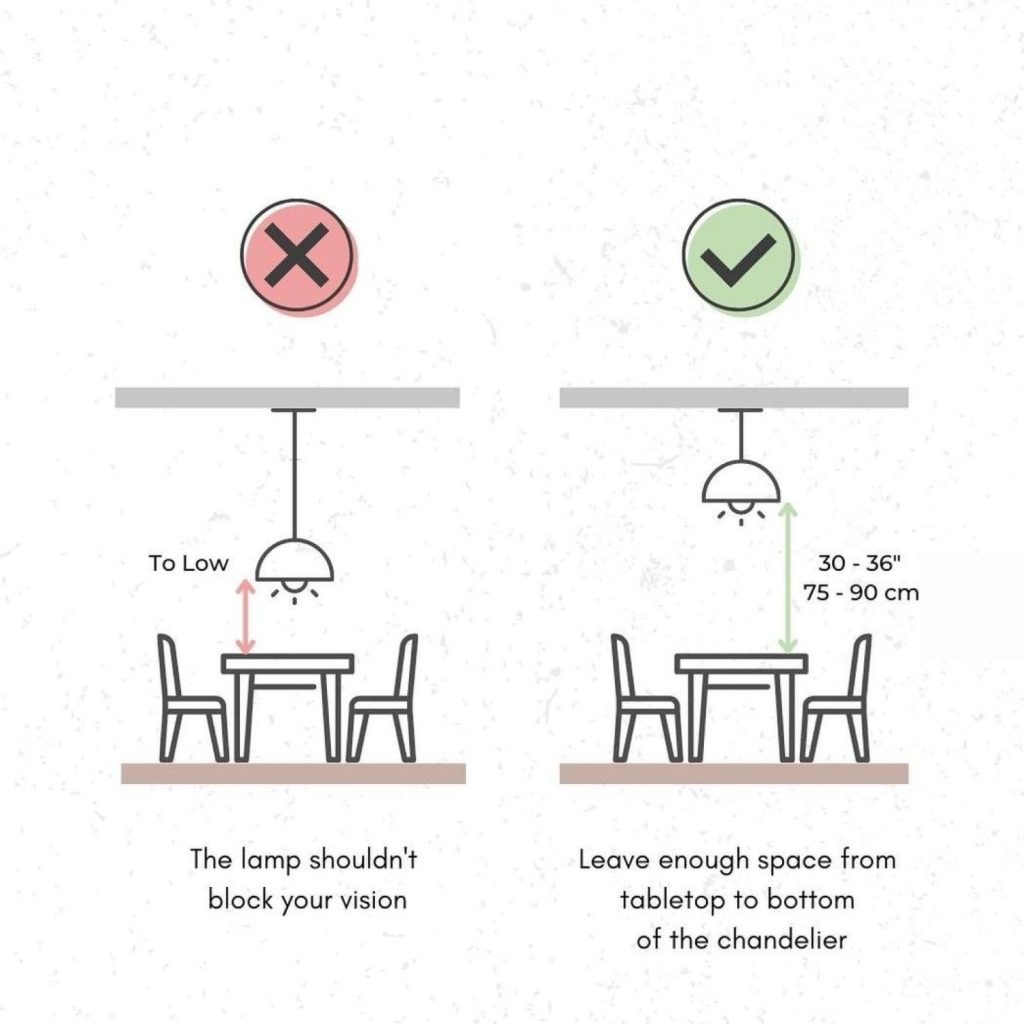
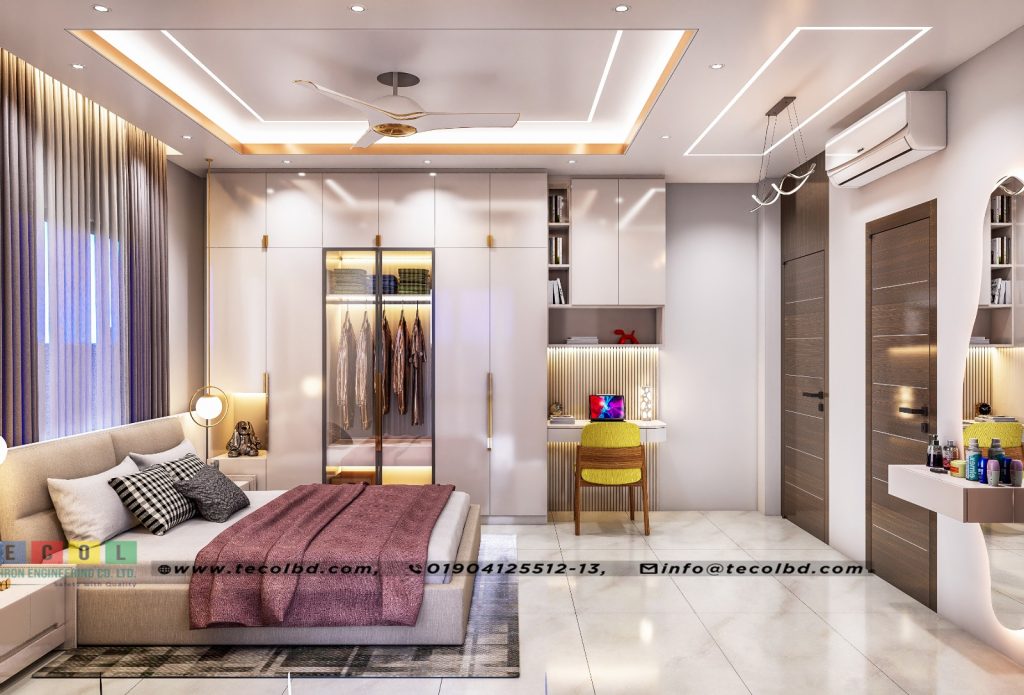
Ceiling height plays a critical role in how much wattage a room requires. Standard 9–10 ft ceilings work perfectly with normal lumen calculations, but higher ceilings often demand an extra 10–20% brightness to achieve the same visual comfort. Light placement is equally important, as poor positioning can create shadows and uneven lighting. Instead of relying on a single bright ceiling light, opt for a combination of different fixtures—such as a main light in the center, downlights around the perimeter, or directional spotlights for specific areas. This layered approach delivers consistent illumination, enhances the architectural feel of the room, and adds a touch of modern sophistication that improves both functionality and style.
6. Choose the Right Color Temperature
Color temperature dramatically influences how bright a room feels and what kind of mood it creates. Warm white (2700K–3000K) is ideal for cozy environments such as bedrooms and living rooms because it creates a relaxing, welcoming atmosphere. Neutral white (4000K) works well in dining spaces and common living areas where a balanced tone is preferred. Cool white (5700K–6500K), on the other hand, offers excellent clarity and is best suited for kitchens, study zones, and workspaces where attention to detail is necessary. Interestingly, cool white light often feels brighter even at a lower wattage, while warm white may require slightly higher lumens for the same effect. Choosing the right color temperature ensures your lighting not only looks good but also supports the room’s purpose and comfort level.
7. Use Layered Lighting for Best Results
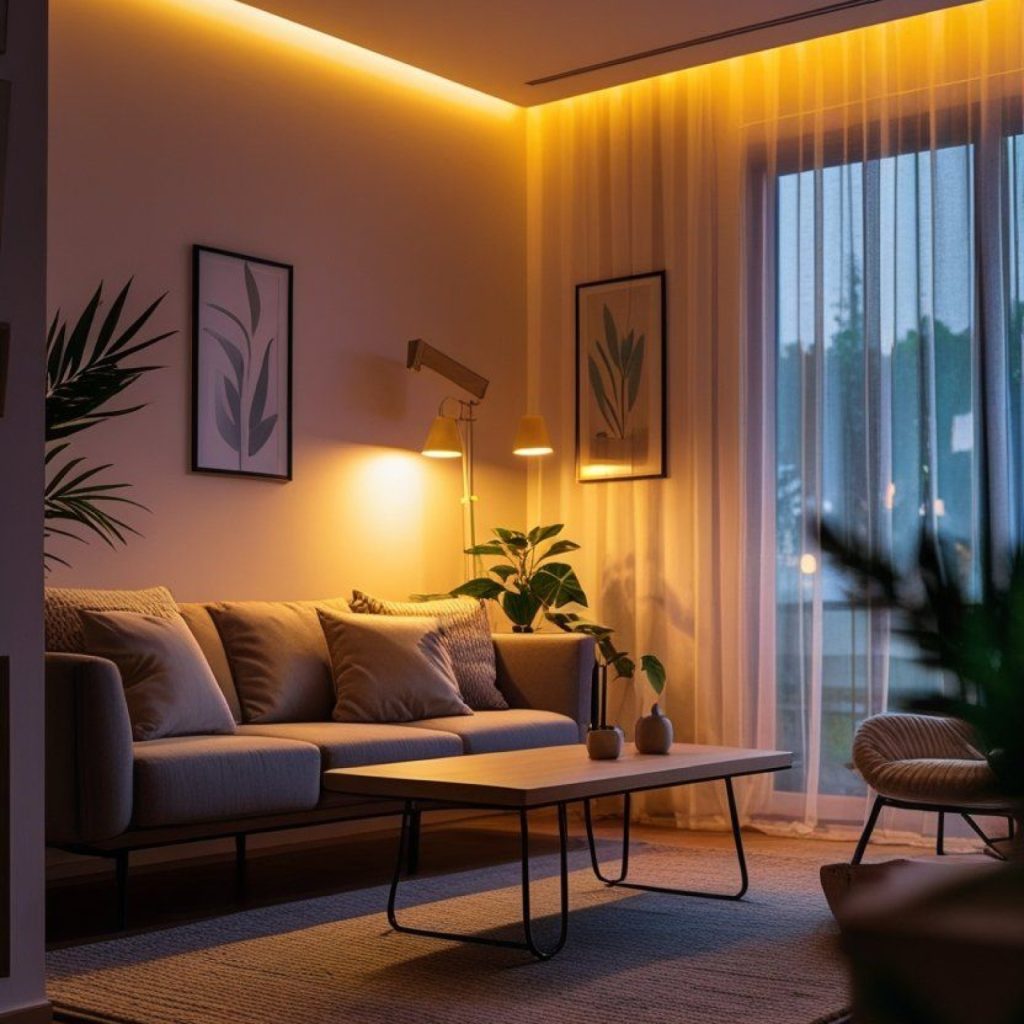
Modern interior design emphasizes layered lighting because it offers more flexibility, efficiency, and aesthetic appeal than a single light source. Layered lighting includes ambient lighting for overall illumination, task lighting for activities such as reading or cooking, and accent lighting for highlighting decor or architectural features. This structured combination allows you to keep wattage low while improving the overall quality of light in the room. For instance, pairing a medium-watt main light with several low-watt spotlights creates depth, eliminates dark corners, and makes the space look luxurious without overwhelming the eyes. This method ensures your room feels premium and thoughtfully designed.
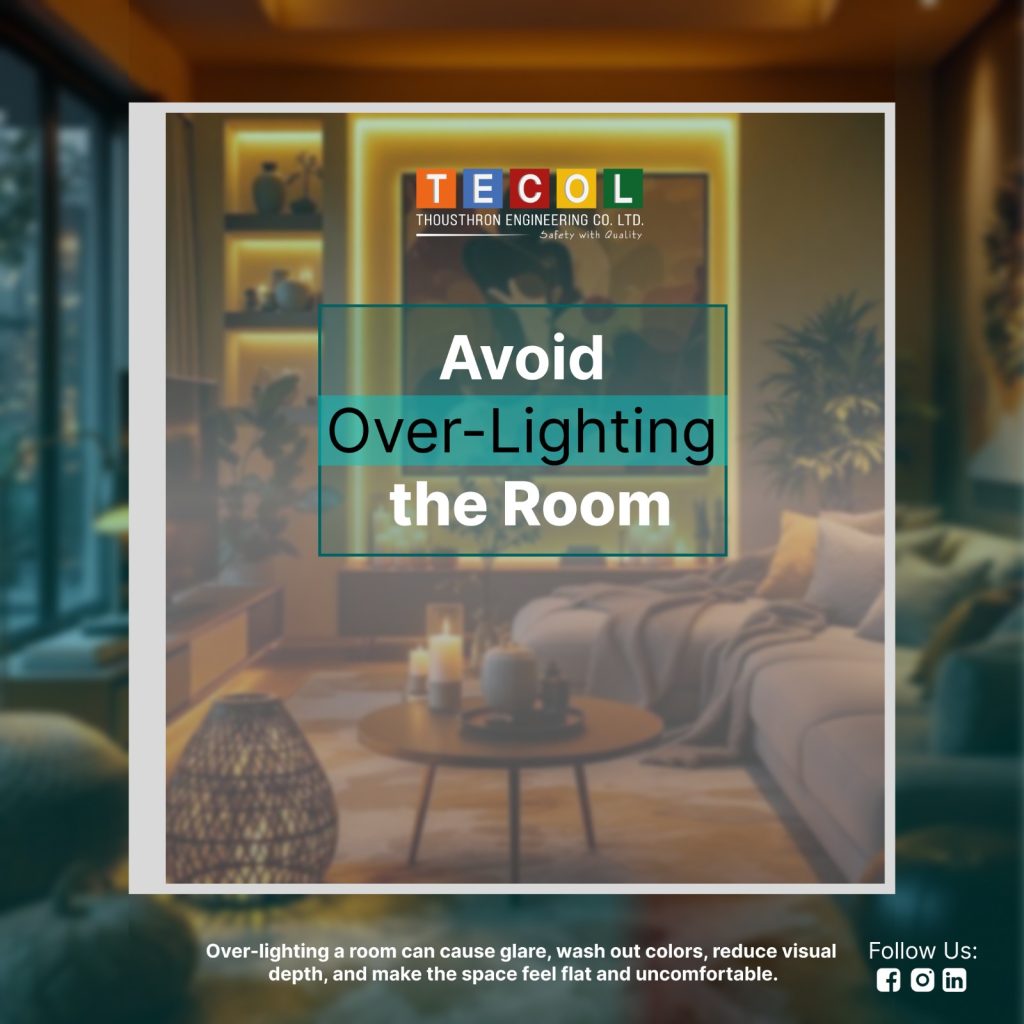
8. Avoid Over-Lighting the Room
More light isn’t always better. Over-lighting can cause unpleasant glare, wash out wall colors, reduce the visual depth of the room, and make the space feel uncomfortable. It also wastes electricity without improving the lighting quality. Proper wattage calculation ensures your room feels natural, balanced, and easy on the eyes. By sticking to recommended lumen levels and distributing lights evenly, you avoid the flat, clinical look that comes from excessive brightness. The goal is to create a harmonious environment where the lighting enhances the room rather than overpowering it.
Avoid Over-Lighting Room
A Practical Example for Bangladeshi Homes
Consider a typical 150 sq ft bedroom—a common size in many Bangladeshi apartments. Using the standard formula, the room requires 3000–4500 lumens for comfortable brightness. With modern LEDs producing around 100 lumens per watt, you only need about 35–40 watts in total. A practical setup might include one 18W main ceiling light complemented by four 5W spotlights, giving you approximately 38W. This combination ensures soft yet effective illumination, removes shadows, and creates a clean, modern, and energy-efficient lighting layout suitable for everyday use.
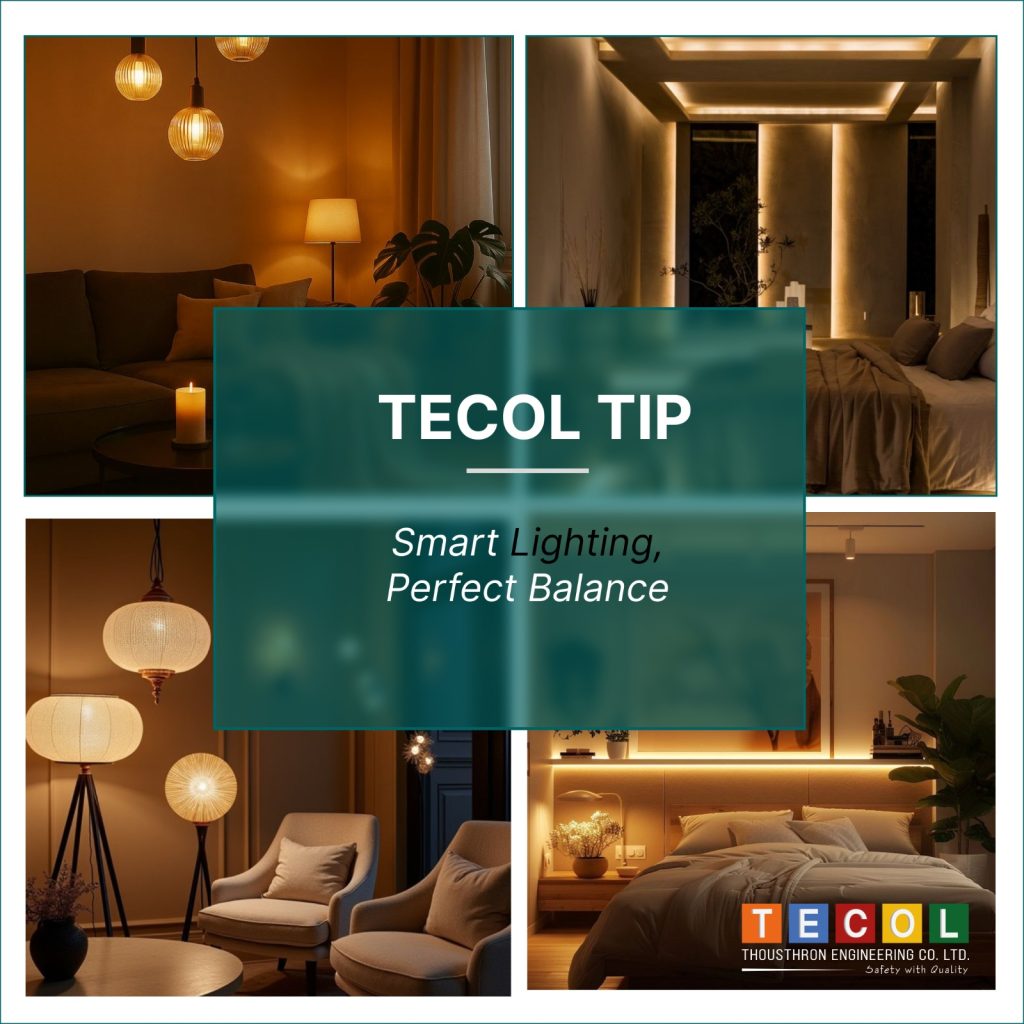
TECOL TIP — Smart Lighting, Perfect Balance
At TECOL, we always prioritize planning lighting based on lumens rather than wattage because it gives a more accurate understanding of actual brightness. When you calculate lighting scientifically—considering room size, ceiling height, and light color—you achieve the perfect balance between functionality and aesthetics. Avoid relying on just one powerful light source; instead, use layered lighting to create a premium, comfortable, and professionally finished interior experience.