Introductions: Bangladesh experiences long periods of humidity due to its tropical climate. High moisture in the air can slowly damage furniture, weaken walls, and reduce the lifespan of interior materials if the wrong products are used. Many homes face problems like swelling wooden doors, fungus on walls, damp smells, and faded finishes—especially during monsoon. That’s why choosing the right moisture-resistant interior materials is extremely important. When you select materials that can survive humidity, you not only protect your home but also save repair costs, enjoy long-lasting comfort, and maintain a fresh look throughout the year. Here are the best materials suitable for Bangladesh’s humid weather, explained in detail.
1. Marine Plywood
Marine plywood is one of the strongest and most reliable materials for humid climates. It is manufactured using high-quality hardwood and waterproof glue, which makes it resistant to water absorption. Even in extremely humid areas like kitchens and bathrooms, marine plywood remains stable and does not bend, swell, or develop fungus easily. This durability makes it perfect for cabinets, wardrobes, wall shelves, bed frames, and other furniture that must withstand daily moisture exposure. People in coastal or monsoon-prone regions especially benefit from marine plywood because it stays firm and strong even when the weather changes suddenly.
TECOl Tip: Always choose BWR (Boiling Water Resistant) or BWP (Boiling Water Proof) grade marine plywood when you need the highest durability in humid areas.

2. uPVC Doors & Windows
uPVC (Unplasticized Polyvinyl Chloride) is becoming one of the most popular choices in Bangladesh because it performs extremely well in both heat and humidity. Unlike metal, it never rusts, and unlike wood, it never swells or cracks due to moisture. uPVC windows and doors create a strong seal against rainwater and humid air, keeping indoor spaces comfortable. They also reduce sound, block heat, and provide long-lasting strength without frequent maintenance. For balconies, bathrooms, coastal areas, and rooms directly exposed to rain, uPVC is one of the smartest choices. Its smooth surface is easy to clean and does not encourage dampness or mold.
TECOl Tip: Choose uPVC with multi-chamber profiles for better insulation and improved resistance against extreme humidity.

3. High-Pressure Laminate (HPL) Sheets
HPL sheets combine both beauty and strength, which makes them ideal for modern interiors. These sheets are made by compressing layers of paper with resin under high pressure, creating a very durable outer layer. In humid environments, HPL does not peel, bubble, or absorb moisture like normal laminate. It also resists scratches and stains, making it easy to clean and maintain. This makes HPL a great choice for kitchen cabinets, wardrobes, office tables, wall cladding, and furniture that require a stylish finish but must endure high humidity. The vibrant colors and textures also help improve the look of your interior.
TECOl Tip: For kitchens or high-touch areas, choose HPL with anti-bacterial coating to maintain hygiene and durability.

4. Moisture-Resistant (MR) Boards
MR boards are specially engineered to resist moderate levels of moisture. While they are not waterproof like marine plywood, they work very well in areas with regular humidity such as bedrooms, study rooms, and living spaces. MR boards do not warp easily, making them suitable for TV units, shelves, cupboards, and most general furniture. Many homeowners choose MR boards because they are more affordable than marine plywood yet provide strong protection against seasonal humidity. When combined with good laminates and finishing materials, MR boards can last for many years without needing major repairs.
TECOl Tip: Always check if the MR board is ISI-certified or from a trusted brand to ensure proper moisture resistance.

5. Ceramic & Porcelain Tiles
Tiles are naturally water-resistant and are one of the best materials for humid weather. Ceramic tiles work well in most parts of the home, but porcelain tiles are even better because they have extremely low water absorption rates. This means they are more durable and long-lasting, especially in wet areas like bathrooms, balconies, kitchens, and even living room floors in humid regions. Tiles prevent dampness, fungus growth, and slippery surfaces when chosen correctly. They are easy to clean, do not fade with moisture, and keep your home cool—an added advantage in a tropical country like Bangladesh.
TECOl Tip: For bathrooms or wet zones, select matte or textured tiles to avoid slipping and improve safety.

6. Weather-Resistant Paint
Walls often suffer the most during humid weather, leading to peeling paint, damp patches, and musty smells. Using weather-resistant or anti-damp paint creates a strong shield that prevents moisture from entering the walls. These paints are specially formulated to protect against fungus and mold. They help keep your interior walls clean, bright, and fresh throughout monsoon seasons. Whether it’s a new home or a renovation, applying damp-proof primer followed by weather-resistant paint can significantly extend the life of your walls.
TECOl Tip: Before applying paint, always use a damp-proof primer to block moisture and achieve a long-lasting finish.
7. PVC Ceiling Panels
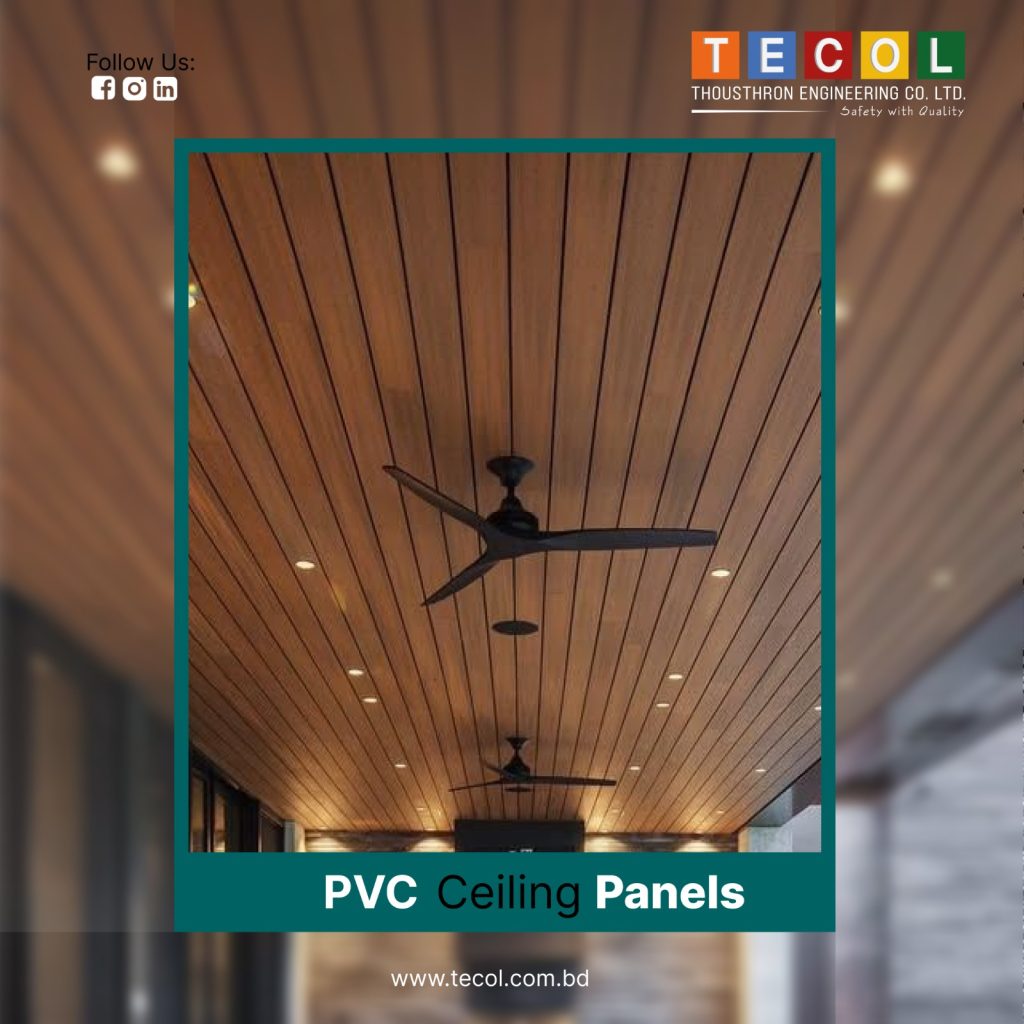
PVC ceilings are a smart and low-maintenance solution for humid environments. They are completely waterproof, making them ideal for kitchens, bathrooms, basements, and poorly ventilated areas. PVC panels do not absorb moisture, so they stay free from fungus, stains, or damp-related damage. They also add a modern look to ceilings without requiring painting or polishing. PVC ceilings are lightweight, easy to install, and budget-friendly, making them a great choice for long-term home protection.
TECOl Tip: Choose fire-retardant PVC panels for added safety in kitchen ceilings.
8. Aluminum or Powder-Coated Frames
Aluminum is naturally resistant to rust and corrosion, making it an excellent choice for humid climates. Whether used for sliding doors, partition frames, wardrobes, or windows, aluminum remains strong and stable throughout the year. Powder-coated aluminum looks premium and can be matched with various interior styles. It is especially helpful in bathrooms, balconies, and areas exposed to water or humidity. Aluminum frames last for many years without bending, swelling, or needing repainting—making them a smart investment.
TECOl Tip: Choose powder-coated or anodized aluminum for a modern look and longer protection.

Conclusion
Humidity is a natural and unavoidable part of life in Bangladesh, especially during the long monsoon months. This constant moisture can slowly affect your home if the materials are not chosen wisely. Walls may develop damp patches, wooden furniture may swell or lose shape, and metal parts may rust over time. But the good news is that with the right interior materials, you can protect your home from all these problems and enjoy a cleaner, healthier, and more comfortable living environment throughout the year.
Using humidity-friendly materials like marine plywood, uPVC, HPL sheets, porcelain tiles, MR boards, PVC ceiling panels, and moisture-resistant paint helps your home stay strong even when moisture levels rise. These materials are specially designed to resist swelling, fungus, dampness, and structural damage. They keep your furniture firm, your walls fresh, and your floors safe in every season. Not only do they extend the life of your home, but they also reduce the need for frequent repairs—saving you time, money, and stress in the long run.
Investing in moisture-proof materials is not just a design choice; it is a smart decision for people living in humid climates like Bangladesh. It ensures that your home remains beautiful, durable, and hassle-free despite weather challenges. When your materials are chosen correctly, your interior stays fresh, your furniture stays strong, and your home continues to reflect comfort and quality for many years.