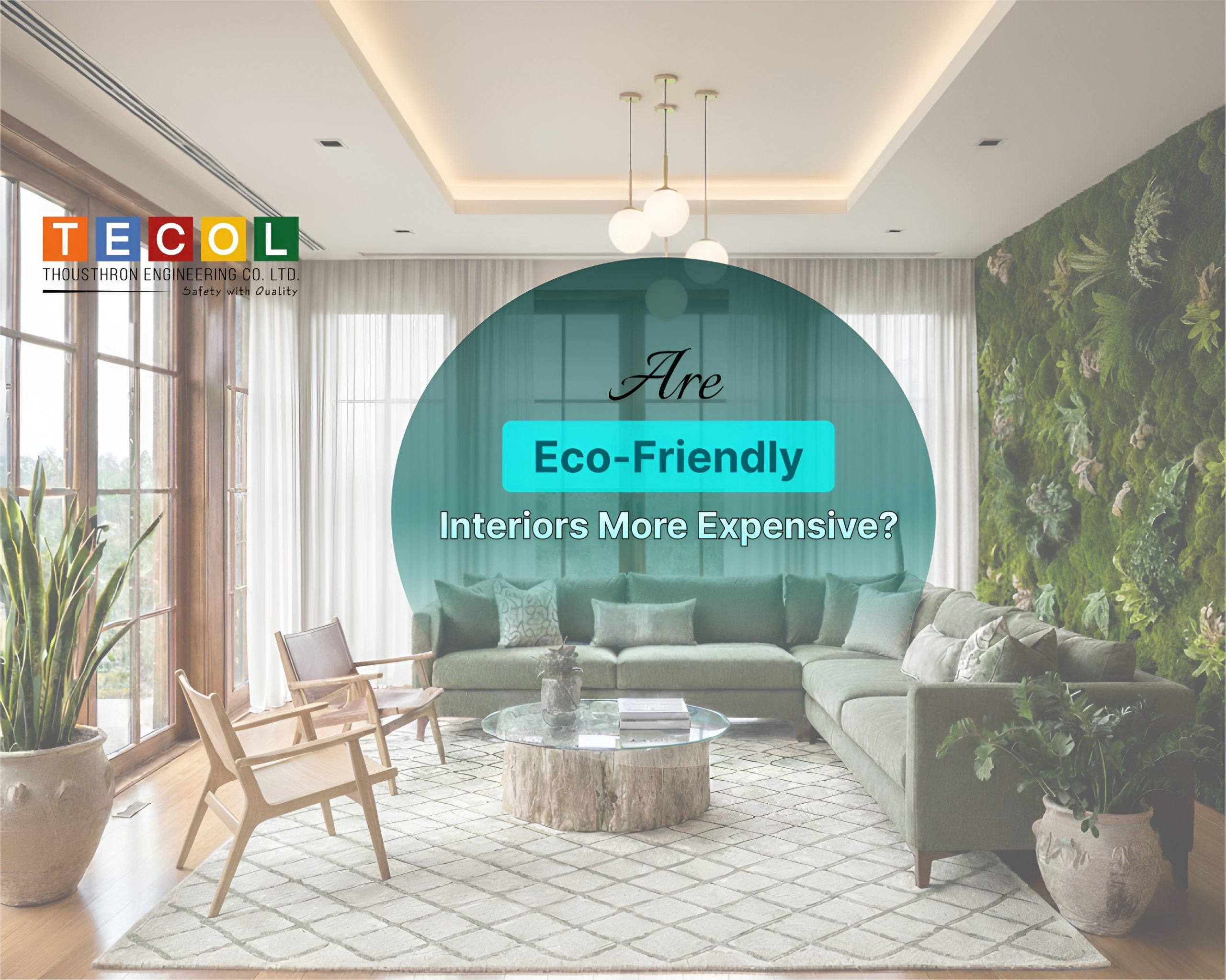
A Complete Cost Breakdown for Sustainable Interior Design
Eco-friendly interiors are becoming increasingly popular as both homeowners and businesses focus more on sustainability, better indoor health, and long-term value. People are now more aware of how interior materials, finishes, and energy usage impact not only the environment but also daily living comfort and operational costs. As a result, sustainable interior design is no longer just a trend—it is becoming a practical and responsible choice for modern spaces.
However, one common and important question still remains: Are eco-friendly interiors more expensive than traditional interior designs? At first glance, sustainable materials and green solutions may seem costlier than conventional options, which often leads to confusion and hesitation during the planning stage. Many assume that eco-friendly interiors automatically mean luxury pricing, but this perception does not always reflect the real cost scenario. The truth is more nuanced than a simple yes or no. The overall cost of eco-friendly interior design depends on multiple factors such as material selection, design strategy, energy efficiency, durability, and long-term maintenance. In many cases, sustainable interiors offer better value over time by reducing energy bills, minimizing repair costs, and improving the overall lifespan of interior elements.
Let’s explore this topic in detail through ten practical and easy-to-understand points to gain a clear and balanced understanding of the real cost of sustainable interior design.
1. Higher Initial Cost but Better Material Quality

Eco-friendly interior materials often come with a slightly higher upfront cost because they are produced using natural, recycled, or responsibly sourced resources. Materials such as bamboo flooring, reclaimed wood, low-VOC paints, and natural stone follow strict environmental and quality standards during production. These processes increase the initial price but ensure better strength, safety, and sustainability. Compared to conventional materials, eco-friendly options usually provide superior durability, better finishing, and a more refined appearance, making them worth the initial investment.
2. Long-Term Savings Outweigh Initial Investment

One of the strongest advantages of eco-friendly interiors is their long-term cost efficiency. Sustainable materials are designed to last longer and perform better under daily use, which reduces the need for frequent repairs or replacements. Over the years, this significantly lowers maintenance expenses. When viewed from a long-term perspective, eco-friendly interior design becomes a smart financial decision rather than a costly choice.
3. Energy-Efficient Design Reduces Utility Bills

Eco-friendly interiors emphasize energy efficiency through smart design strategies such as proper insulation, maximum use of natural daylight, energy-saving LED lighting, and efficient ventilation systems. These features reduce unnecessary electricity consumption and improve thermal comfort. As a result, homeowners and businesses experience noticeably lower monthly utility bills, leading to substantial savings over time.
4. Healthier Indoor Environment Adds Hidden Value

Materials like low-VOC paints, formaldehyde-free boards, and natural fabrics play a major role in improving indoor air quality. While these materials may seem slightly expensive at first, they help reduce health risks such as allergies, headaches, skin irritation, and respiratory problems. A healthier indoor environment leads to fewer medical issues and improved well-being, which adds significant long-term value that is often overlooked when calculating costs.
5. Reduced Maintenance and Repair Costs

Eco-friendly interior materials are generally more resistant to moisture, heat, and everyday wear and tear. This higher resistance means fewer issues like cracking, peeling paint, fading, or surface damage over time. As a result, homeowners spend less money on repainting, refinishing, and frequent repairs, which gradually balances out the higher initial cost of sustainable materials.
6. Sustainable Interiors Increase Property Value

Properties designed with sustainable interiors often enjoy higher resale and rental value. Modern buyers and tenants are increasingly attracted to eco-friendly spaces because of lower operating costs, healthier living conditions, and energy efficiency. This growing demand makes sustainable interiors a valuable asset, turning them into a long-term investment rather than a luxury feature.
7. Smart Design Can Control the Budget

Eco-friendly interiors do not require expensive materials in every corner of a space. With smart planning, designers can strategically combine sustainable elements with conventional ones. For example, choosing eco-friendly paints, lighting, and finishes while keeping standard furniture can significantly reduce overall costs. This balanced approach allows sustainability without exceeding the budget.
8. Local and Natural Materials Reduce Transportation Costs

Using locally sourced eco-friendly materials helps reduce transportation, import duties, and handling costs. Materials such as clay tiles, local stone, jute, and reclaimed wood are not only environmentally responsible but also budget-friendly. This approach supports local industries while keeping interior costs under control and maintaining a sustainable design philosophy.
9. Eco-Friendly Interiors Are an Investment, Not an Expense

Although eco-friendly interiors may appear more expensive at first glance, their long-term benefits clearly outweigh the initial cost. Lower energy bills, reduced maintenance expenses, improved health, and increased property value all contribute to overall financial savings. In reality, sustainable interior design is not an extra expense—it is a thoughtful investment in comfort, efficiency, and the future.