
Introductions: A site visit always tells the truth. Drawings, phone calls, and assumptions can never capture the real condition of a project—not the way a direct visit does. Recently, our team travelled to Barishal to inspect one of our ongoing projects, and what they found on-site became an eye-opening set of lessons that every homeowner, contractor, and project manager must know. The Barishal site revealed small issues that had the potential to turn into major losses if not addressed immediately. Based on real situations, challenges, and observations, our Team shared some critical work tips and warnings that can help prevent delays, budget increases, and quality compromises in similar projects.
1. Beginning Interior Work Before Structural Preparation Was Fully Complete
One of the first issues our Team noticed in Barishal was that the interior work had already begun even though the structural preparation was still incomplete. Walls were not fully leveled, plaster finishing was inconsistent, and certain electrical conduits had not been fixed in their proper alignment. This might seem like a small mismatch in timing, but in reality, it causes a chain reaction of rework. Furniture cannot align correctly with uneven walls, false ceiling measurements go wrong, tile joints do not match, and painters are forced to redo coat after coat. Every hour of rework adds cost, uses extra material, and slows down the entire project.
Tip: Ensure the site’s basic structural conditions—plaster, leveling, base electrical, plumbing lines—are 100% complete before any interior work begins. A well-prepared base is the foundation of a flawless finish.

2. Electrical Wiring Done Without a Proper Load Plan
Another critical finding from the Barishal site was that the wiring had been installed without considering load distribution or appliance positioning. Switchboards were placed based on assumptions rather than an approved layout. This becomes dangerous later, because an unplanned electrical setup can cause overloaded circuits, overheating, tripping, and difficulty accommodating future appliances. When rewiring becomes necessary, it leads to breaking walls, creating dust, delaying progress, and spending more than originally planned.
Warning: Always prepare a complete electrical load plan before wiring begins. Decide the number of circuits, capacity of each appliance, safety devices, socket placement, and cable routes in advance. Electrical mistakes are costly and risky—avoid them early.

3. Furniture Design and Actual Room Sizes Were Misaligned
Clients often finalize furniture based on catalogs, Pinterest images, or imagination, without checking if those proportions match their actual room size. In Barishal, our Team found that several cabinets and storage units planned by the client were either too large or not functional for the available space. Oversized furniture makes the room feel cramped, blocks ventilation, and disrupts the natural flow of movement. Undersized units waste space and reduce storage capacity. Correcting these mistakes requires dismantling, resizing, or redesigning entire modules, which wastes both money and time.
Tip: Always finalize furniture only after accurate on-site measurements. Design should follow the reality of the space—not the other way around.

4. Presence of Moisture on One Corner Wall, Unnoticed by the Client
Moisture is one of the most dangerous issues in interior projects because it silently damages everything over time. During the site visit, our Team detected dampness on a corner wall that the client had not noticed. Moisture leads to paint bubbling, mold growth, unpleasant smell, board swelling, laminate peeling, and eventually structural weakness. Installing furniture or wall paneling without fixing moisture guarantees future damage.
Warning: Moisture problems must be solved before any interior installation. Proper waterproofing, sealing, and ventilation help protect the long-term quality of the work.

5. Lack of Regular Supervision Led to Multiple Small Errors
Another major issue was the absence of regular site supervision. The client relied entirely on the workers, assuming everything was progressing smoothly. However, without oversight, small mistakes accumulated—incorrect measurements, misaligned points, wrong materials delivered, and incomplete tasks left unchecked. By the time these errors were discovered, reversing them required additional cost and effort.
Tip: Visit the site daily or check updates through photos or video calls. Even a 10-minute review helps maintain quality and prevents bigger problems.

6. Workers Not Following Safety Instructions Properly
Our Team also noticed that some workers were not using safety equipment while drilling, sanding, or lifting materials. Such negligence may appear minor in the moment but can easily lead to injuries, damaged materials, or unnecessary delays. A safe workplace ensures smoother work, consistent progress, and fewer interruptions caused by accidents.
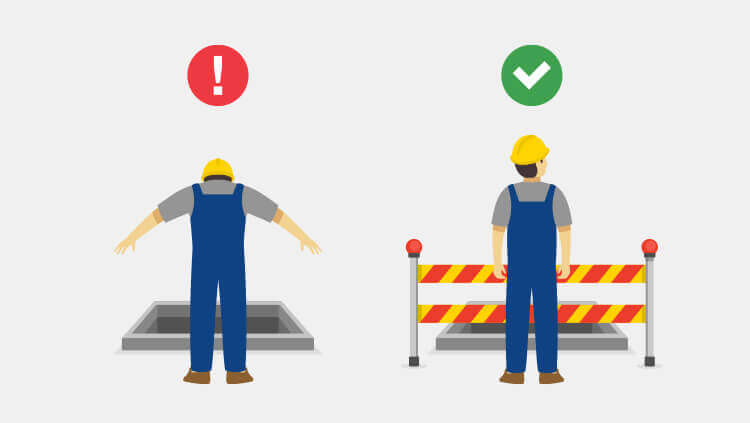
Warning: Ensure every worker follows safety protocols—gloves, goggles, masks, proper shoes, and correct tools are mandatory for site work.
Final Quick Tip
A well-managed work environment always begins with clarity, preparation, and discipline. No matter how skilled the team is or how beautiful the design may look on paper, the foundation of a successful outcome lies in the smallest details handled correctly at the right time. Proper measurements, planned electrical layouts, finished base work, and regular supervision create the backbone of a smooth workflow. When these essential steps are maintained with consistency, the entire process becomes faster, cleaner, and far more efficient. Mistakes are minimized, materials are used wisely, and every element—from structural alignment to finishing touches—comes together in perfect harmony. Whether it’s interior work, renovation, or technical installation, the key lesson is simple: a well-prepared site ensures long-lasting results, reduces unnecessary stress, and protects your investment in the long run.