In modern interior design, choosing the right material is essential for creating spaces that are both functional and visually appealing. Among all engineered wood products, plywood stands out as one of the most dependable and widely used materials. Its strength, flexibility, affordability, and aesthetic adaptability make it a preferred choice for interior designers, architects, and homeowners.
What is Plywood?
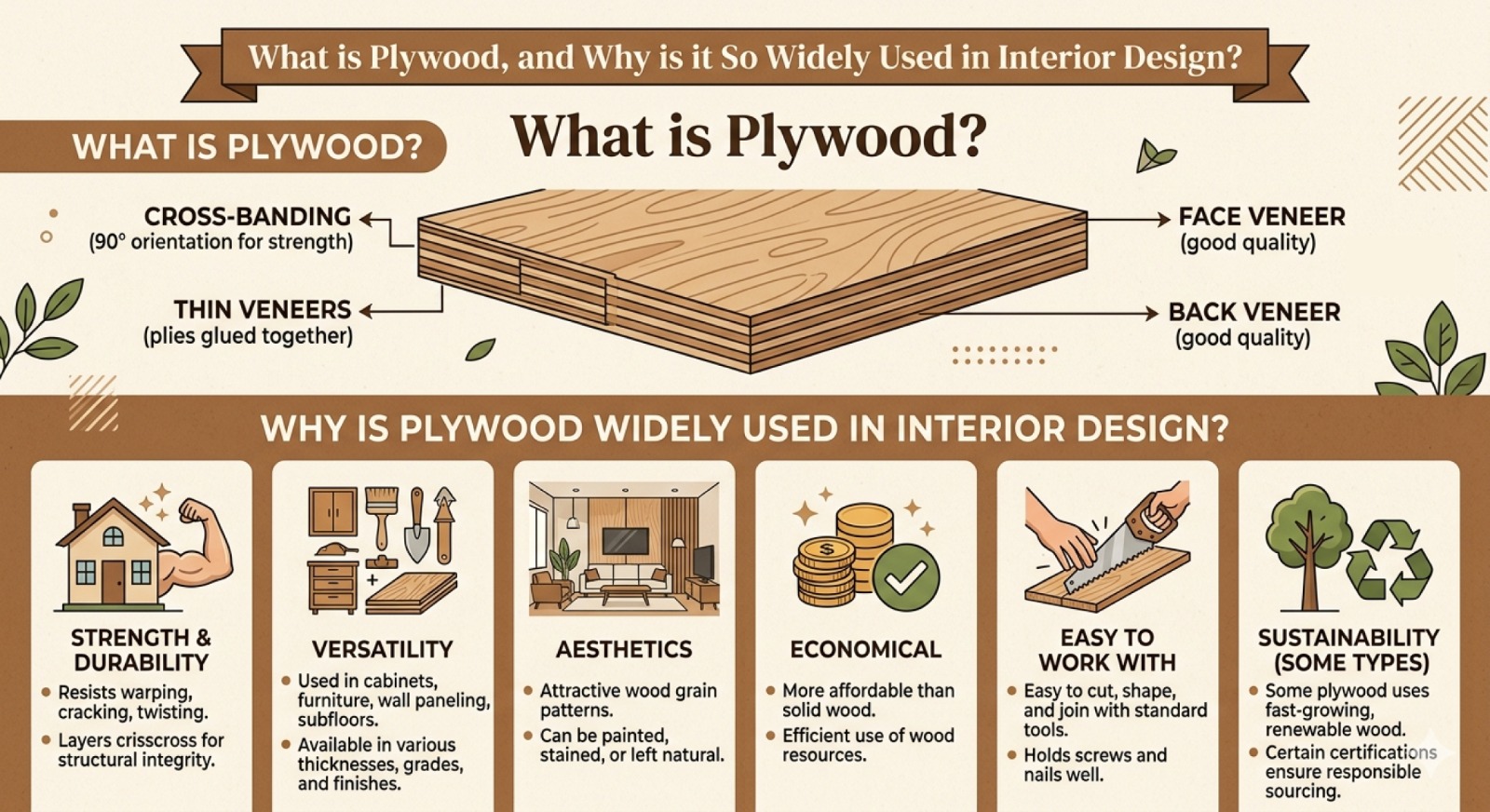
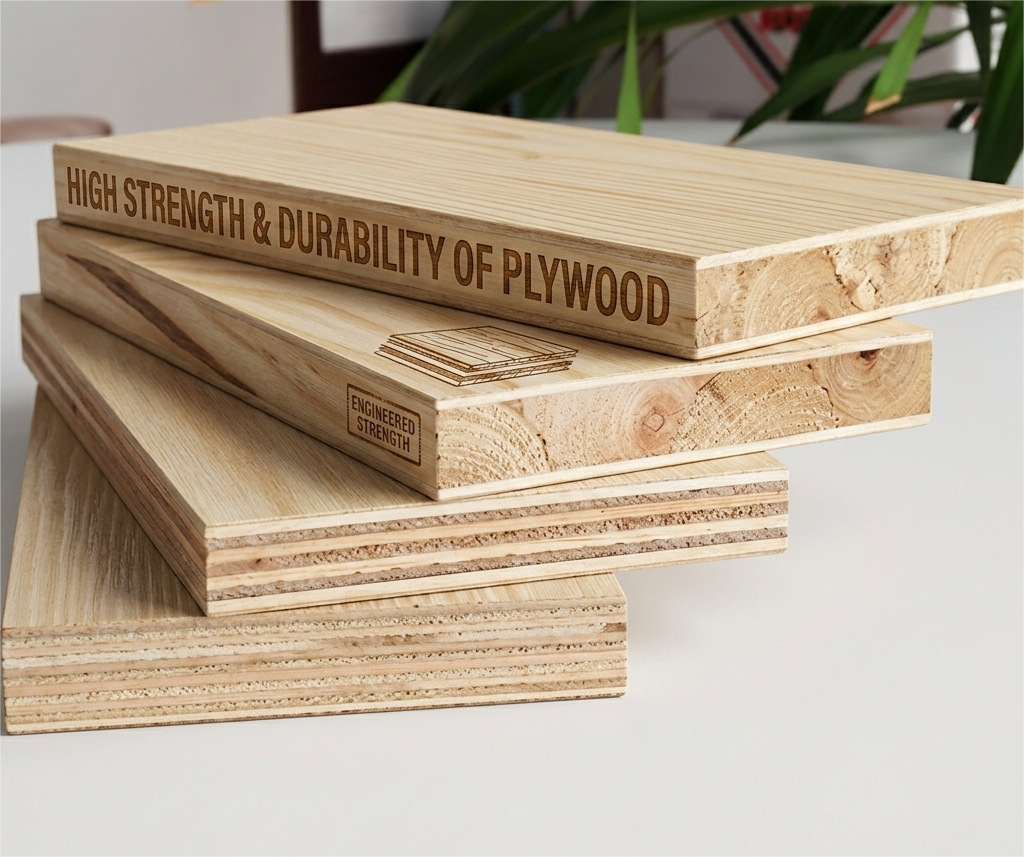
Plywood is a highly versatile engineered wood product that is created by bonding together multiple thin layers of natural wood veneer. These layers, commonly known as plies, are carefully arranged in alternating grain directions and then glued under high pressure and heat to form a strong and stable sheet. This unique cross-grain construction is what gives plywood its remarkable strength and durability compared to traditional solid wood. Because the grains run in different directions, plywood gains enhanced stability and becomes highly resistant to cracking, bending, and warping over time. Additionally, this structure minimizes the natural tendency of wood to shrink or expand when exposed to temperature fluctuations or humidity changes. As a result, plywood maintains its shape and performance even in challenging environmental conditions, making it an ideal material for a wide range of interior applications where strength, reliability, and longevity are essential.
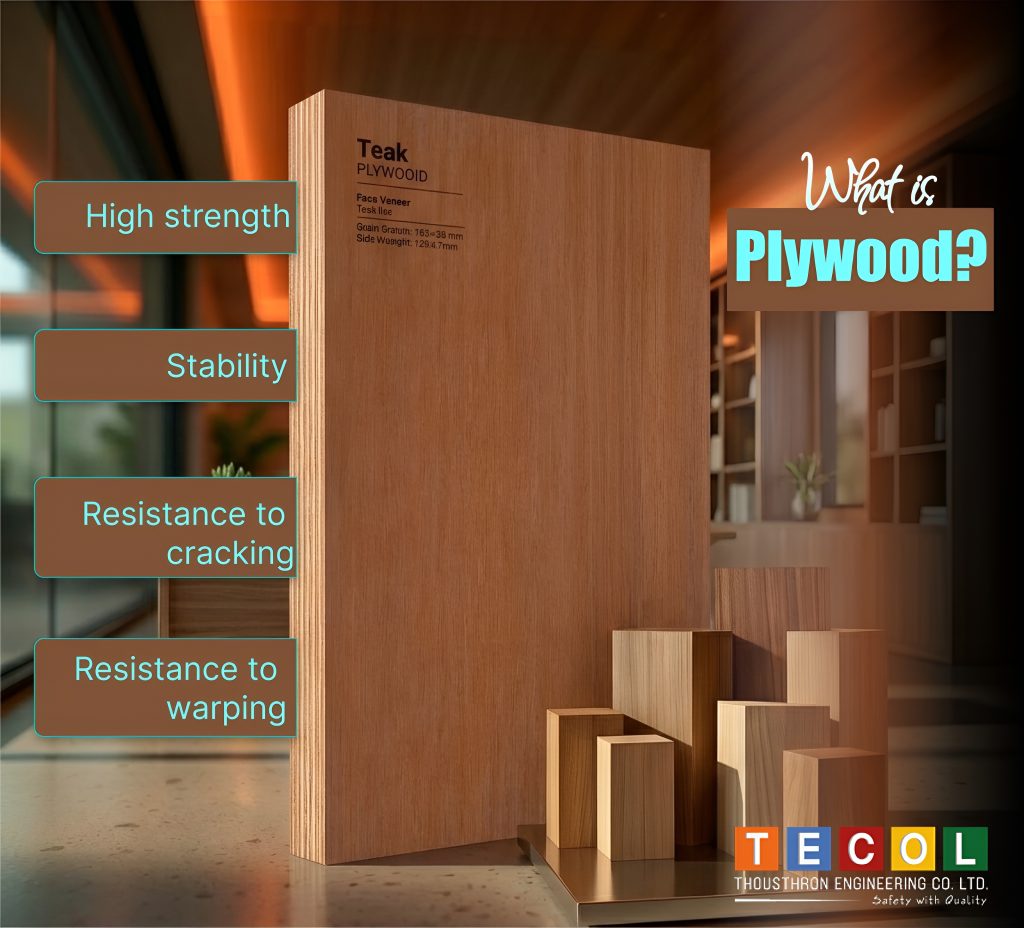
This cross-grain structure gives plywood:
-
High strength
-
Stability
-
Resistance to cracking
-
Resistance to warping
Unlike solid wood, plywood does not easily shrink, expand, or bend due to temperature or humidity changes.
Why Plywood is So Popular in Interior Design?
1. High Strength & Durability
One of the biggest reasons plywood is widely used in interior design is its exceptional strength and durability. Plywood is manufactured by bonding multiple thin layers of wood veneer together in alternating grain directions, which significantly increases its structural stability. This cross-grain construction prevents it from bending, cracking, or shrinking over time. Unlike many other materials such as MDF or particle board, plywood can withstand heavy loads without losing its shape. Because of this, it is commonly used in wardrobes, beds, cabinets, shelving units, and office furniture. Interior designers rely on plywood to ensure that furniture remains strong and long-lasting even with daily use.
2. Moisture Resistance
Certain types of plywood, such as marine plywood and boiling water-resistant (BWR) plywood, are specially manufactured to perform exceptionally well in humid and moisture-prone environments. These variants are designed to resist water absorption, swelling, and structural damage, making them highly suitable for interior spaces where exposure to moisture is unavoidable. As a result, plywood is widely used in kitchen interiors, bathroom storage units, and laundry cabinets where durability is essential despite constant humidity. Unlike ordinary wood that may warp or deteriorate over time, moisture-resistant plywood maintains its strength and stability, ensuring that furniture and built-in units remain intact and functional for years. This makes it a dependable choice for interior designers seeking long-lasting solutions in areas exposed to damp conditions.

3. Smooth Surface for Premium Finishing
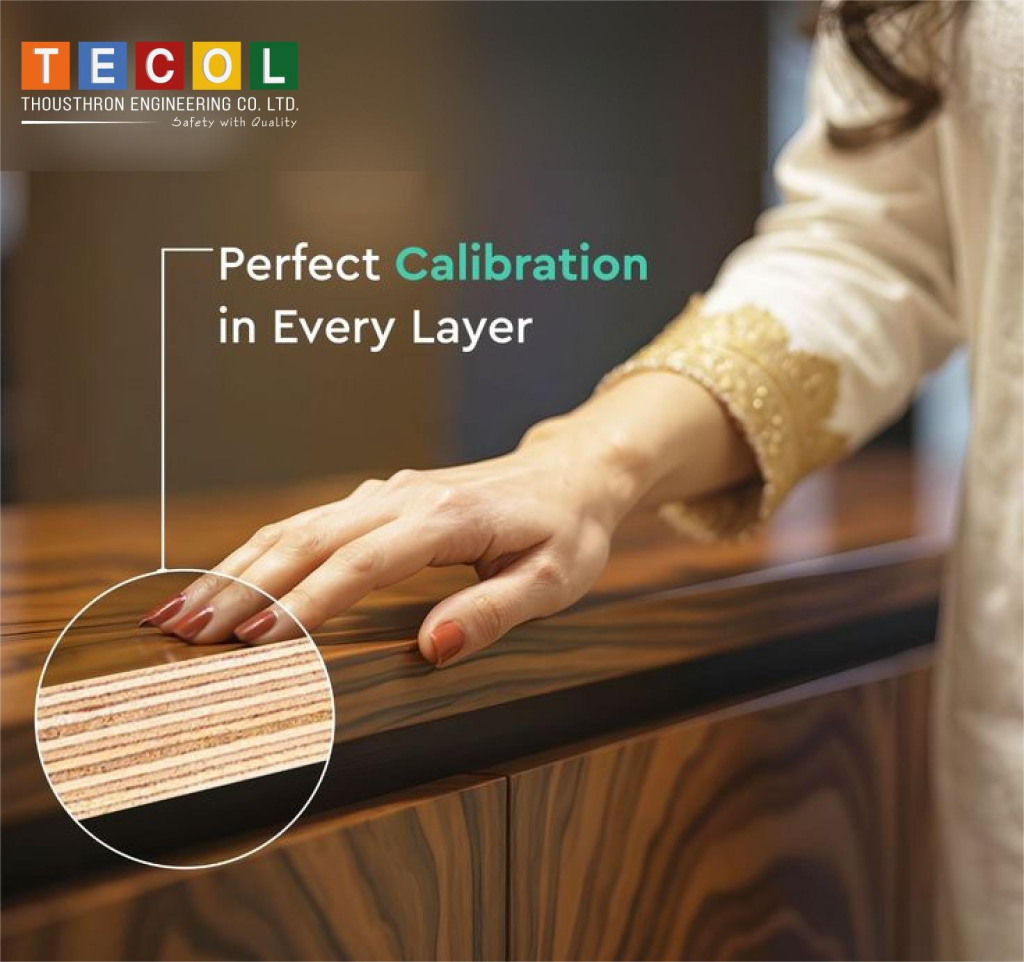
Plywood offers a smooth and uniform surface, which makes it highly suitable for decorative finishes. Interior designers often apply laminates, veneers, paint, or polish over plywood to achieve a premium and stylish look. Because the surface is even and stable, it enhances the final appearance of furniture and wall panels. Whether creating a modern minimalist wardrobe or a luxurious wall feature, plywood provides the perfect base for aesthetic customization. This ability to support high-quality finishes makes it a key material in contemporary interior design.
4. Cost-Effective Interior Solution
One of the key reasons plywood is widely preferred in interior design is its cost-effectiveness without sacrificing quality or performance. Compared to solid wood, which is often expensive due to its natural sourcing, processing, and finishing requirements, plywood offers a more budget-friendly alternative while still delivering impressive strength and durability. Solid wood furniture can significantly increase the overall cost of an interior project and may also require regular maintenance to protect it from issues such as warping, cracking, or pest damage. In contrast, plywood is manufactured in a controlled process that enhances its stability and reliability, allowing it to perform well for long periods with minimal maintenance. This makes plywood an economical yet practical choice for homeowners, interior designers, and project developers who want to create stylish and functional interiors without exceeding their budget. Additionally, because plywood furniture and fixtures are durable and long-lasting, they reduce the need for frequent repairs or replacements. This long-term reliability ultimately saves money and makes plywood a smart financial investment for both residential homes and commercial interior design projects.

5. Design Flexibility
One of the most valuable advantages of plywood in interior design is its exceptional design flexibility and versatility. Plywood is a highly adaptable material that can be easily cut, shaped, bent, and customized according to different design requirements. Because of its layered structure and strength, it allows designers and craftsmen to experiment with various creative concepts without compromising durability. Whether the goal is to create curved furniture, decorative wall panels, stylish partitions, or modern false ceilings, plywood provides the flexibility needed to achieve unique and visually appealing interior solutions. Its work ability makes it possible to produce intricate designs and customized furniture pieces that perfectly match the layout and style of a space. Interior designers often rely on plywood to develop modern storage units, elegant cabinetry, and space-saving furniture that align with contemporary interior design trends. This ability to combine functionality with creative freedom makes plywood one of the most preferred materials for designing innovative, practical, and aesthetically pleasing interiors.

6. Termite Resistance
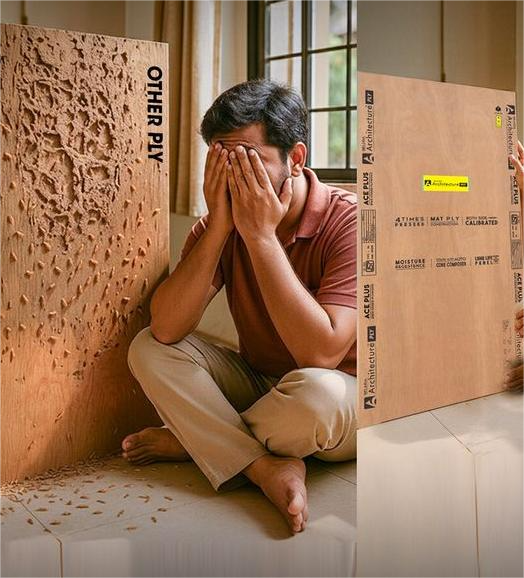
Another important advantage of modern plywood is its termite-resistant property, which plays a crucial role in maintaining the longevity and durability of interior furniture and structures. Termites are one of the most common problems in wooden furniture, and over time they can severely damage wood, weakening its structure and reducing its lifespan. To address this issue, many manufacturers produce plywood that is specially treated with termite-resistant chemicals during the manufacturing process. This treatment helps protect the plywood from termite attacks and other wood-damaging pests, ensuring that the furniture remains strong and reliable for a longer period. Because of this protective feature, treated plywood is widely preferred for wardrobes, cabinets, kitchen units, and other built-in furniture that are intended for long-term use. For both residential and commercial interior design projects, using termite-resistant plywood helps reduce maintenance costs and prevents the need for frequent repairs or replacements, making it a practical and dependable material choice.
7. Eco-Friendly Material
Plywood is also widely recognized as a more environmentally friendly material compared to many traditional wood products. Unlike solid wood, which often requires cutting large pieces of timber from trees, plywood is manufactured using thin layers of wood veneer that are pressed and bonded together. This process allows manufacturers to use timber more efficiently and significantly reduce overall wood wastage. By maximizing the use of each log, plywood production helps conserve natural resources while still providing a strong and reliable building material. In addition, many plywood manufacturers follow sustainable forestry practices and use eco-friendly adhesives to minimize environmental impact. As sustainability and environmental responsibility become increasingly important in modern construction and interior design, plywood has gained popularity as a material that supports greener building practices. Its efficient use of raw materials, combined with durability and long service life, makes plywood a responsible and sustainable choice for modern interior design projects.

8. Wide Interior Applications
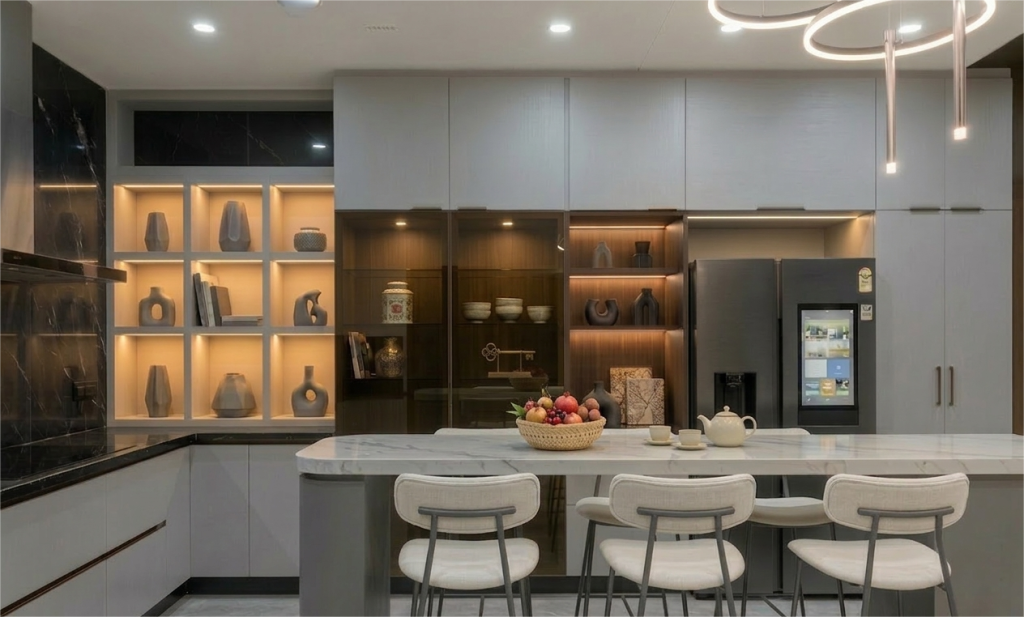
Plywood is widely used in a variety of interior applications because it offers an ideal balance of strength, affordability, durability, and design flexibility. Its versatile nature allows it to serve both structural and decorative purposes in modern interior design projects. Interior designers and architects frequently use plywood in modular kitchens, wardrobes, TV units, office workstations, bed frames, storage cabinets, wall cladding, and decorative panels. The material is easy to cut and shape, which makes it suitable for customized furniture and built-in units that perfectly fit the layout of a room. In addition to furniture, plywood is also used in partitions, false ceilings, and wall paneling to enhance both the functionality and aesthetic appeal of interior spaces. Because of its stability and ability to hold laminates, veneers, and other finishes, plywood helps create stylish and long-lasting interior designs. This versatility makes it one of the most essential materials used in residential homes, offices, showrooms, and commercial interior projects.
Conclusion
In modern interior design, plywood has established itself as a cornerstone material due to its exceptional durability, versatility, and cost-efficiency. Its engineered structure provides strength and stability, making it suitable for a wide range of furniture and interior applications. At the same time, its smooth surface and adaptability allow designers to create visually appealing interiors with different finishes, textures, and styles. Whether it is used for furniture, wall paneling, cabinetry, or storage solutions, plywood offers a perfect balance between functionality and aesthetic appeal. It also provides a practical alternative to solid wood by delivering long-lasting performance at a more affordable cost. Because of these advantages, plywood continues to be one of the most reliable and widely used materials in both residential and commercial interior design. For anyone planning an interior project, choosing plywood can be a smart and efficient decision that ensures durability, style, and long-term value.